The Enigmatic Paracas Lines: A Cultural Treasure of Peru
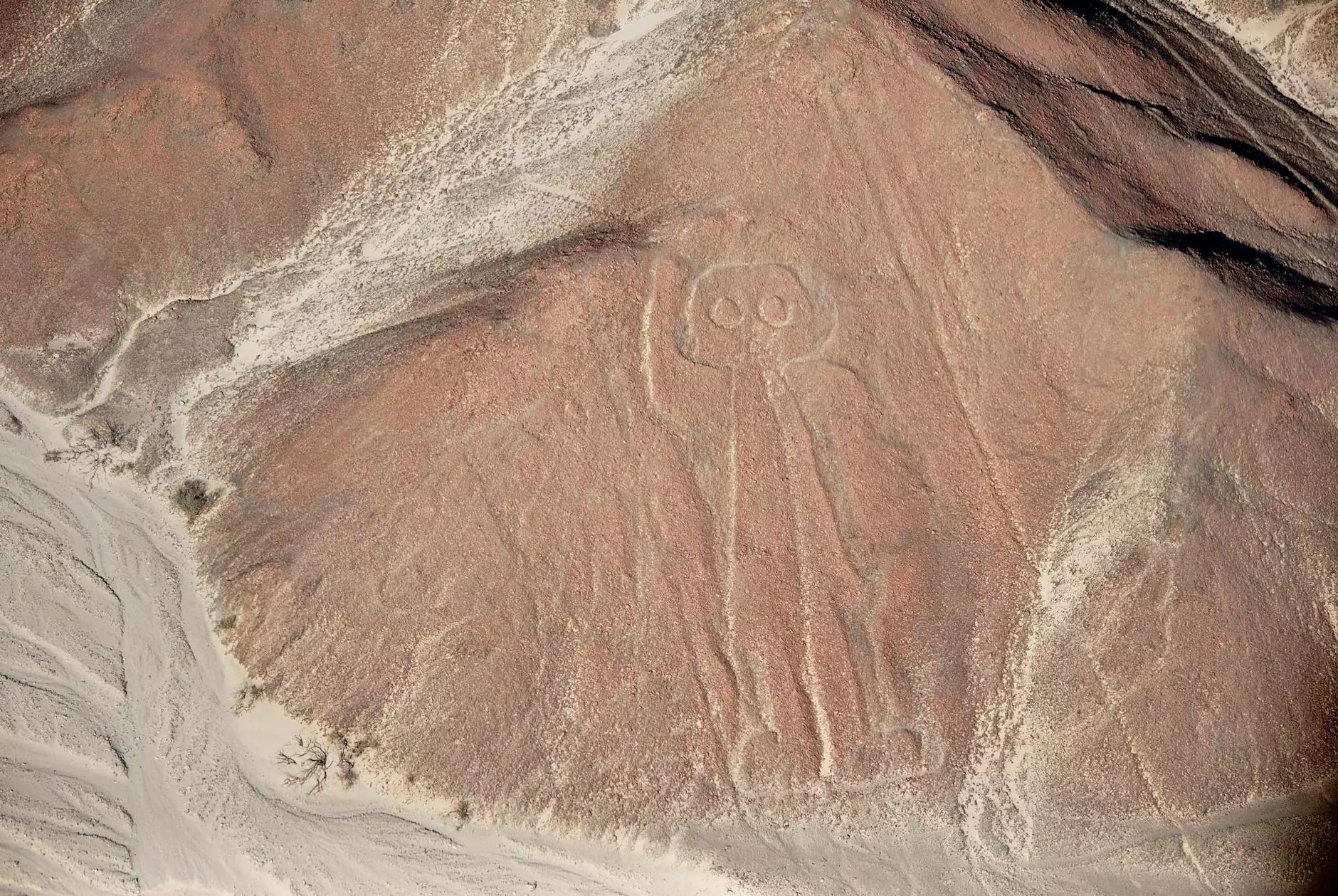
The Paracas Lines, also known as the Paracas Candelabra, stand as an extraordinary testament to the ingenuity of the ancient Nazca culture. Located on the Peruvian coast, these massive geoglyphs offer not just a glimpse into history, but also a unique opportunity for modern businesses—particularly in the realm of tourism. For those seeking to connect deeply with this iconic marvel, Cami Adventures provides exceptional tours that navigate both the allure of these ancient lines and the rich cultural landscape that surrounds them.
What Are the Paracas Lines?
The Paracas Lines are large geoglyphs etched into the arid landscape of southern Peru. They are one of the most recognizable symbols of ancient Peru, featuring a variety of geometric shapes and figures, including the famous Candelabra—a giant motif that resembles a candelabrum. These formations cover an area of roughly 3,000 kilometers, created by removing the top layer of reddish stones to reveal the lighter sand beneath.
A Brief History of the Paracas Culture
The history behind the Paracas Lines is deeply intertwined with the culture of the Paracas people, who flourished in the region from approximately 800 BCE to 100 BCE. This civilization is known for its exceptional craftsmanship in textiles and pottery, as well as its advanced understanding of agriculture and irrigation in a challenging environment.
Archaeological discoveries suggest that the Paracas people were skilled artists and engineers, employing meticulous planning to create these colossal lines. Scholars propose various theories regarding their purpose, including religious rituals, astronomical observations, and even navigation aids for ancient travelers.
The Mysteries that Surround the Candelabra
The Paracas Candelabra stands at an impressive height of about 180 meters and spans over 110 meters in width. Its unique shape and scale have earned it a prominent place in the imagination of both locals and visitors. Some theories propose that the Candelabra served as a lighthouse, guiding mariners at sea, while others link it to cosmological beliefs held by the ancient inhabitants of the region.
Points of Interest About the Candelabra
- Visibility: The Candelabra is visible from several miles away, a feature that enhances its potential function as a navigational beacon.
- Orientation: Its alignment with the rising sun points to the possible astronomical significance believed by its creators.
- Construction Method: The techniques used to create the Candelabra are still debated among archaeologists, highlighting its engineering brilliance.
The Role of Tourism in Preserving the Paracas Lines
Understanding the importance of the Paracas Lines transcends mere admiration; it involves acknowledging the role of tourism in its preservation. The local economy heavily relies on visitors eager to explore these wonders. By participating in responsible tourism practices, visitors can help ensure that these ancient artifacts remain intact for generations to come.
How Cami Adventures Enhances the Visitor Experience
At Cami Adventures, we pride ourselves on offering immersive and educational tours that highlight the historical significance of the Paracas Lines. Here's what sets our tours apart:
- Expert Guides: Our knowledgeable local guides provide rich insights into the geography and history of the Paracas Lines, enhancing your understanding and appreciation of the culture.
- High-Quality Experiences: All tours are crafted to ensure comfort and enjoyment, with options for walking and historical tours that highlight the best of the region.
- Respect for Nature: We promote environmentally friendly practices that ensure minimal impact on the fragile ecosystem surrounding the Paracas Lines.
Exploring the Paracas National Reserve
In addition to the Paracas Lines, the Paracas National Reserve is another highlight of the region. This stunning expanse of coastal desert and sea offers diverse ecosystems and wildlife. Visitors can enjoy activities such as bird watching, as this area is home to numerous species, including the Peruvian pelican and the iconic flamingo.
Key Attractions in the Paracas National Reserve
- El Candelabro: As mentioned, the massive geoglyph that is more than just a relic; it's an experience waiting to be explored.
- Islas Ballestas: Often referred to as the "Poor Man's Galapagos," these islands are teeming with marine life, making them ideal for eco-tours.
- Historical Sites: Numerous archaeological sites within the reserve illuminate the region's rich past, providing depth to the visitor's experience.
Planning Your Visit to the Paracas Lines
To maximize your experience at the Paracas Lines, planning ahead is crucial. Here are some helpful tips:
- Best Time to Visit: The ideal months are generally from May to September, when conditions are dry and clear.
- What to Bring: Sunscreen, comfortable walking shoes, hats, and plenty of water are essential to enjoy your explorations.
- Booking Tours: Early booking with Cami Adventures ensures you secures spots for popular tours and avoids last-minute disappointments.
Conclusion: Embracing the Legacy of the Paracas Lines
The Paracas Lines are more than mere artistic expressions; they symbolize the profound connection between the ancient peoples of Peru and their environment. By exploring these magnificent geoglyphs, visitors embark on a transformative journey that bridges the past with the present. As we continue to honor and respect these treasures, it is imperative to support local businesses like Cami Adventures, ensuring future generations can likewise appreciate the cultural significance of the Paracas Lines.
Come join us at Cami Adventures and immerse yourself in the awe-inspiring beauty and historical significance of the Paracas Lines. Let us guide you on a unique journey through time, where the echoes of the past resonate loud and clear in the sands of Peru.