Exploring the Market for Fake Euros: A Comprehensive Guide
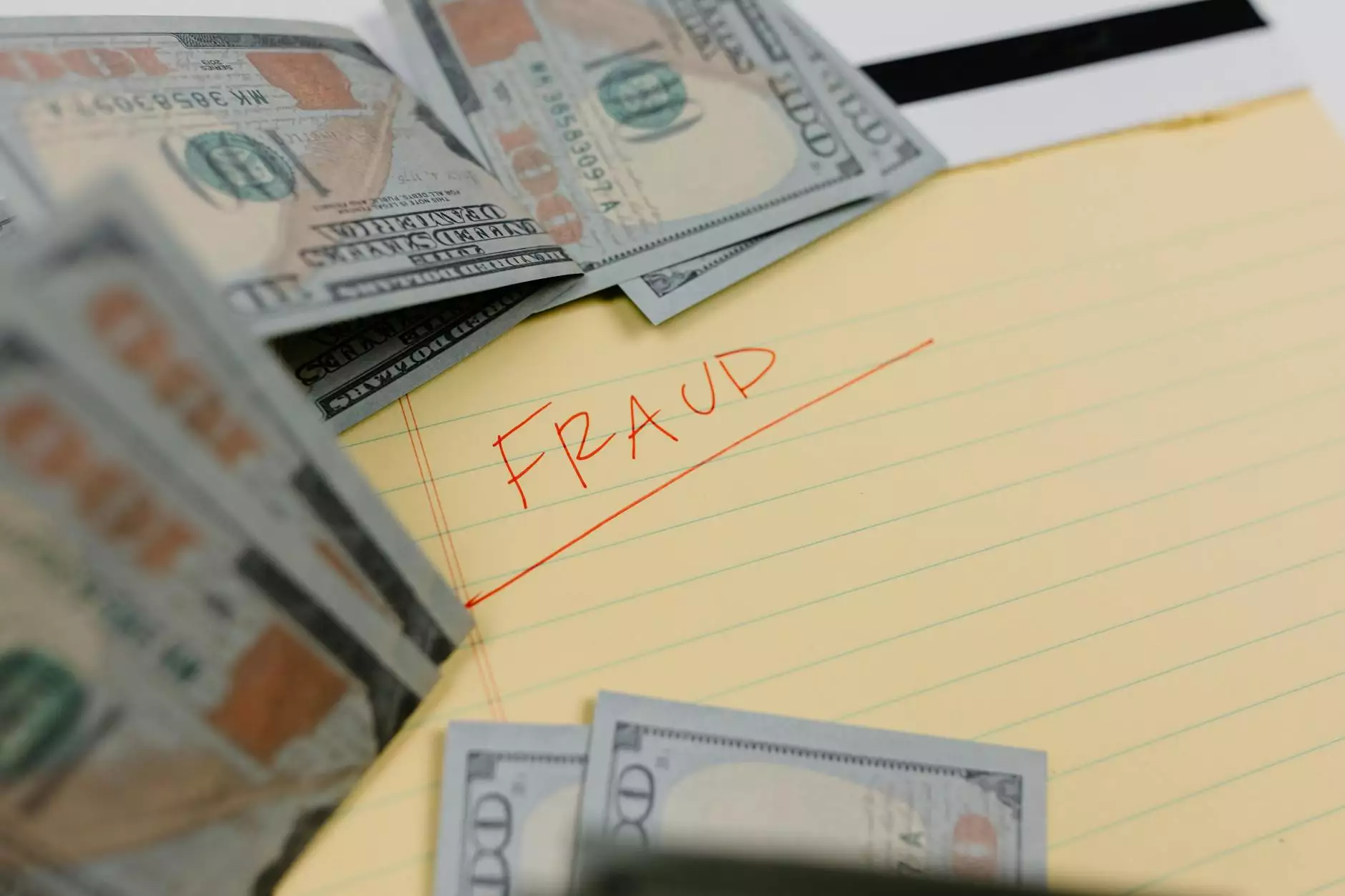
In recent years, there has been a significant increase in the interest surrounding fake euro for sale. This fascinating topic unlocks additional conversations regarding printing services, market demands, and the various implications such activities may have on economies. The purpose of this article is to provide an extensive examination of the subject, focusing on its relevance, the operational systems behind it, and the importance of understanding the legal boundaries.
Understanding Fake Currency in the Market
First, let's unwrap the concept of fake currency. Creating counterfeit money is not a new phenomenon, but the euro, as a recent introduction to the world of currency, has garnered particular attention. The euro is recognized by many for its value and stability, making it an attractive target for counterfeiters.
Currency Counterfeiting: Historical Context
Historically, counterfeiting has roots that stretch back thousands of years. From the coins of ancient Greece to the complex paper notes of today, the need for laws and regulations around currency has always been essential. With the introduction of the euro in 2002, European Union countries unified their economics through a shared currency, drawing a crucial line of distinction between legitimate and illegitimate currency.
The Printing Services Behind Fake Currency
The backbone of any counterfeit currency operation lies in its printing services. These processes are sophisticated, requiring advanced technology and substantial know-how to replicate the intricate details found on legitimate currency.
Technology in Currency Printing
Modern counterfeiters employ state-of-the-art technology to create replicas that can frequently evade detection. Digital printing has become one of the primary methods for creating counterfeit notes. The integration of high-resolution printers enables the reproduction of intricate designs, colors, and security features that are typically present in genuine currency. However, these operations are illegal and come with severe repercussions:
- Legal Consequences: Engaging in the production of counterfeit currency is a serious criminal offense in all jurisdictions.
- Financial Risk: Individuals involved can face substantial financial penalties, both in legal fees and possible restitution.
- Reputation Damage: Being linked to counterfeit activities can damage personal and corporate reputations.
The Counterfeit vs. Legitimate Market
Understanding the balance between the counterfeit market and legitimate businesses requires a keen insight into consumer behavior. Some individuals may seek out fake euro for sale for various reasons, such as wanting to engage in activities that require cash without legal policing or as a misguided form of investment. However, it's critical to understand the dangers — both morally and legally — that accompany purchasing counterfeit currency.
The Legal Framework Surrounding Counterfeit Currency
The law is exceedingly clear when it comes to counterfeit currency. In many countries, including those in the European Union, there are strict regulations in place to combat counterfeiting efforts. Understanding these laws is crucial for those who might be intrigued by the idea of purchasing or even producing counterfeit euros.
International Laws and Regulations
Various international laws, such as the Counterfeit Currency Convention, have been established to curb the spread of counterfeit notes. These laws outline the definitions, penalties, and enforcement mechanisms for combating counterfeiting on a global scale.
Consequences of Engaging with Counterfeit Currency
Those tempted to delve into the counterfeit market should carefully consider the severe consequences. Violators can face:
- Imprisonment: Many countries impose lengthy prison sentences for those involved in counterfeiting.
- Fines: Substantial monetary penalties are imposed on the individuals and organizations involved.
- Criminal Record: A conviction can lead to a lasting criminal record, affecting employment and other legal opportunities.
The Impact of Counterfeit Currency on the Economy
Counterfeit currency poses a significant threat not just to individual stakeholders but to the economy as a whole. When counterfeit euros enter circulation, they disrupt the economy in various ways:
Inflation and Value Devaluation
When a large quantity of counterfeit euros infiltrates the market, it can lead to inflation. Goods and services may increase in price as legitimate currency value diminishes. Consequently, businesses and consumers alike may find themselves financially compromised.
Economic Trust Erosion
The presence of counterfeit currency can erode public trust in the financial system. If consumers fear that the money they handle might be fake, it could lead to decreased spending and investment. This cycle can spiral into a broader economic downturn, affecting even legitimate businesses that play by the rules.
Consumer Responsibility and Awareness
In light of the risks, it’s essential for consumers to exercise caution and due diligence. If you encounter offers for fake euro for sale, consider the implications of engaging in such transactions. Being informed is your best defense against the potentially devastating consequences of counterfeit currency.
How to Spot Counterfeit Currency
As counterfeiting becomes increasingly sophisticated, consumers need to remain vigilant. Here are some tips for spotting counterfeit euros:
- Check the Watermark: Genuine euros feature a transparent watermark of the Europa figure.
- Feel the Texture: Real euros have a distinct texture which is difficult to replicate.
- Look for Security Features: Inspect other security elements such as color-changing ink and microprinting.
Alternative Print Services in the Legal Market
While there is a demand for counterfeit euros, it is important to pivot the conversation to the legitimate printing services available. The printing industry has evolved remarkably, providing numerous products for businesses and individuals alike:
Legitimate Uses of Printing Services
Companies today utilize printing services for a variety of legal purposes, such as:
- Promotional Materials: Businesses often print brochures, flyers, and banners to promote their services.
- Custom Packaging: Innovative packaging designs are crucial for brand identity, leading to increased sales.
- Event Materials: From tickets to programs, printing services support events by creating tangible assets.
The Role of Ideal Counterfeit in the Printing Industry
The website idealcounterfeit.com offers various legitimate printing services that harness modern technology to produce high-quality materials. By focusing on legal avenues within the printing industry, businesses can thrive and contribute positively to the economy.
The Conclusion: Navigating the Complexity of Currency and Printing
In conclusion, while the allure of fake euro for sale can be strong, the risks and implications far outweigh any perceived benefits. By understanding the dynamics of counterfeit currency, the consequences of engaging in such activities, and the significance of legitimate printing services, consumers can make informed decisions. Always prioritize legal avenues and trust established businesses in the industry to ensure a positive impact on the economy and society as a whole.