Understanding T4 Spinal Injury: Causes, Effects, and Recovery
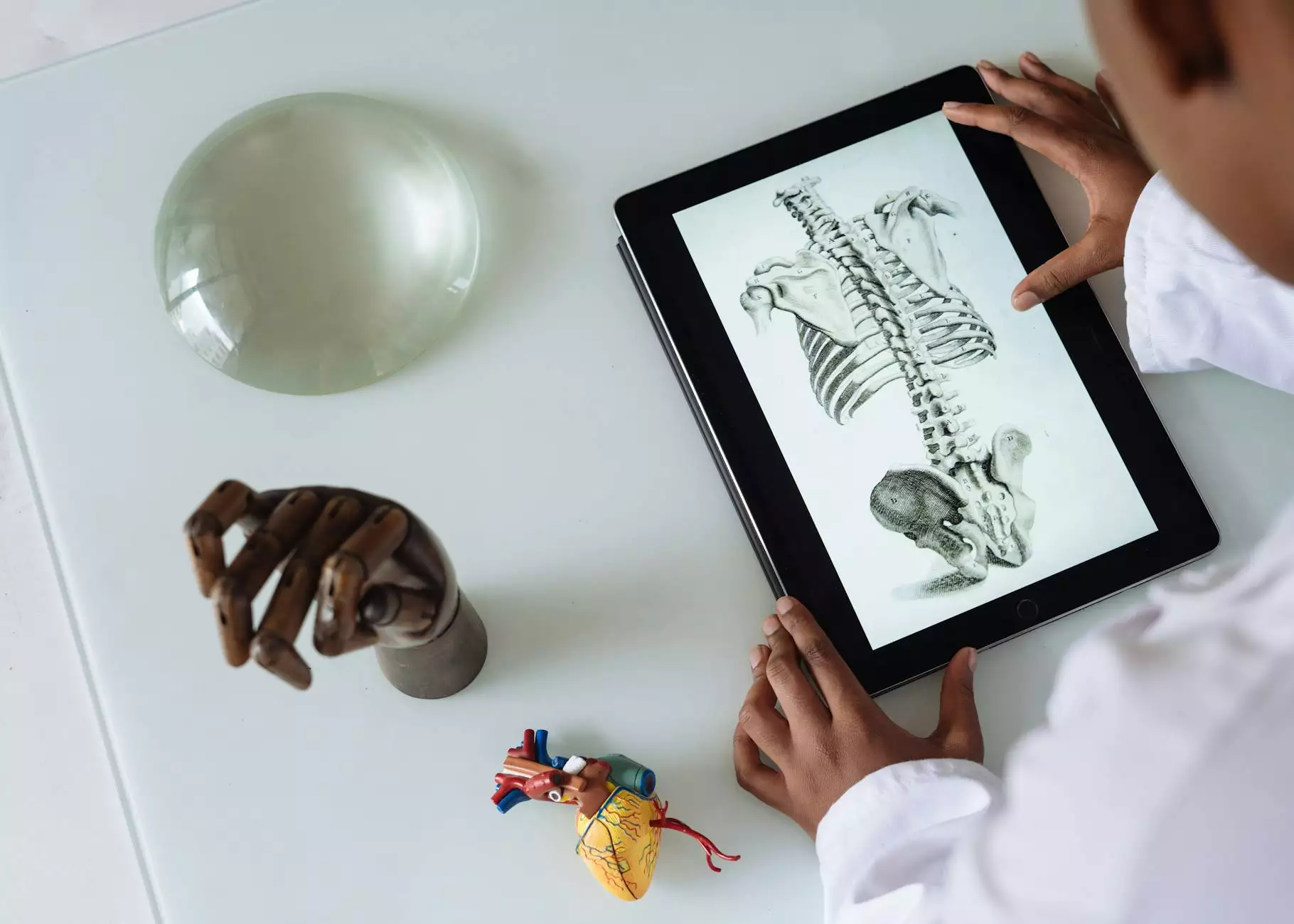
A T4 spinal injury can significantly impact an individual's life, affecting mobility, sensation, and overall well-being. This article delves into the complexities of T4 spinal injuries, covering everything from their causes and symptoms to treatment strategies and recovery. Understanding this type of injury is essential for patients, caregivers, and healthcare professionals alike.
What is a T4 Spinal Injury?
The spinal cord is divided into different sections, with each segment corresponding to specific vertebrae. The T4 vertebra is part of the thoracic spine, located in the upper section of the back. A T4 spinal injury refers to damage occurring in this area, typically affecting the nerves responsible for upper body movement and sensation.
Causes of T4 Spinal Injury
T4 spinal injuries can result from a variety of incidents, including:
- Motor Vehicle Accidents: High-impact collisions often lead to severe spinal injuries, including to the T4 region.
- Falls: Falls from heights or awkward landings can compress or fracture the T4 vertebra.
- Sports Injuries: Certain sports, especially contact sports, are associated with a higher risk of spinal injuries.
- Violent Acts: Assaults or gunshot wounds can directly damage the spinal cord.
- Degenerative Diseases: Conditions such as osteoporosis may weaken bones and lead to fractures.
Symptoms of T4 Spinal Injury
The symptoms associated with a T4 spinal injury can vary significantly based on the severity of the injury. Common symptoms include:
- Loss of Sensation: Patients may experience numbness or tingling below the injury site.
- Muscle Weakness: Reduced strength in the arms and legs can be a direct consequence of nerve damage.
- Changes in Reflexes: Hyperactive or diminished reflex responses may indicate nerve impairment.
- Breathing Difficulties: The T4 vertebra plays a critical role in respiratory function; impairment can lead to breathing challenges.
- Pain: Chronic pain in the back, neck, or limbs may be prevalent, as nerve pathways can become compressed.
Diagnosing T4 Spinal Injury
Accurate diagnosis is crucial for effective treatment. Healthcare professionals utilize various imaging techniques, including:
- X-rays: Useful for detecting fractures in the vertebrae.
- Magnetic Resonance Imaging (MRI): Provides a detailed view of soft tissue damage, including the spinal cord and surrounding structures.
- Computed Tomography (CT) Scans: Offers detailed images that can reveal complex fractures.
Treatment Options for T4 Spinal Injury
Once diagnosed, treatment options for T4 spinal injury may vary based on the severity of the injury.
Immediate Care
Initially, the focus is on stabilizing the patient. Emergency care typically involves:
- Immobilization: Keeping the spine stable to prevent further injury.
- Medication: Administering pain relievers and anti-inflammatory medications.
- Surgery: In severe cases, surgical intervention may be necessary to relieve pressure on the spinal cord or to stabilize the spine.
Rehabilitation
Post-surgery or post-injury, rehabilitation is vital for recovery. Rehabilitation may include:
- Physical Therapy: Focused exercises to improve strength, flexibility, and mobility.
- Occupational Therapy: Strategies to help individuals regain independence in daily activities.
- Psychological Support: Addressing emotional and mental health challenges that can arise from severe injuries.
Long-term Management
Living with a T4 spinal injury often requires long-term management strategies:
- Adaptive Devices: Wheelchairs, braces, and other devices can aid mobility and support.
- Home Modifications: Making adjustments to living spaces to enhance accessibility.
- Regular Follow-Up: Continued medical supervision helps manage any ongoing health issues related to the injury.
The Importance of Community Support
Emotional and psychological support plays an invaluable role in recovery. Social connections and community resources can offer:
- Support Groups: Sharing experiences with others in similar situations can provide comfort and understanding.
- Educational Resources: Workshops and classes to educate patients and families about living with spinal injuries.
- Professional Counseling: Access to mental health professionals who can help address the emotional challenges that arise.
Innovations in Treatment and Technology
Ongoing research and advancements in technology provide hope for individuals with T4 spinal injuries. Some promising developments include:
- Neuroprosthetics: Devices that can restore function and control in patients with spinal injuries.
- Stem Cell Therapy: Potential treatments that aim to regenerate damaged nerve tissue.
- Robotics: Assisted walking devices that enable improved mobility and independence.
Conclusion
In summary, while a T4 spinal injury can be life-altering, understanding the injury, its effects, and available treatment options is crucial. Early diagnosis, effective treatment, and comprehensive rehabilitation can help individuals reclaim their lives. Continuous support from healthcare providers, community groups, and loved ones is essential for successful recovery and long-term management. Those affected by T4 spinal injuries should pursue a path of empowerment and adaptive strategies to navigate their new reality.
For more information and resources related to health, rehabilitation, and chiropractic care, visit our website at iaom-us.com.