Granary Weevil Control: Effective Strategies for Farmers
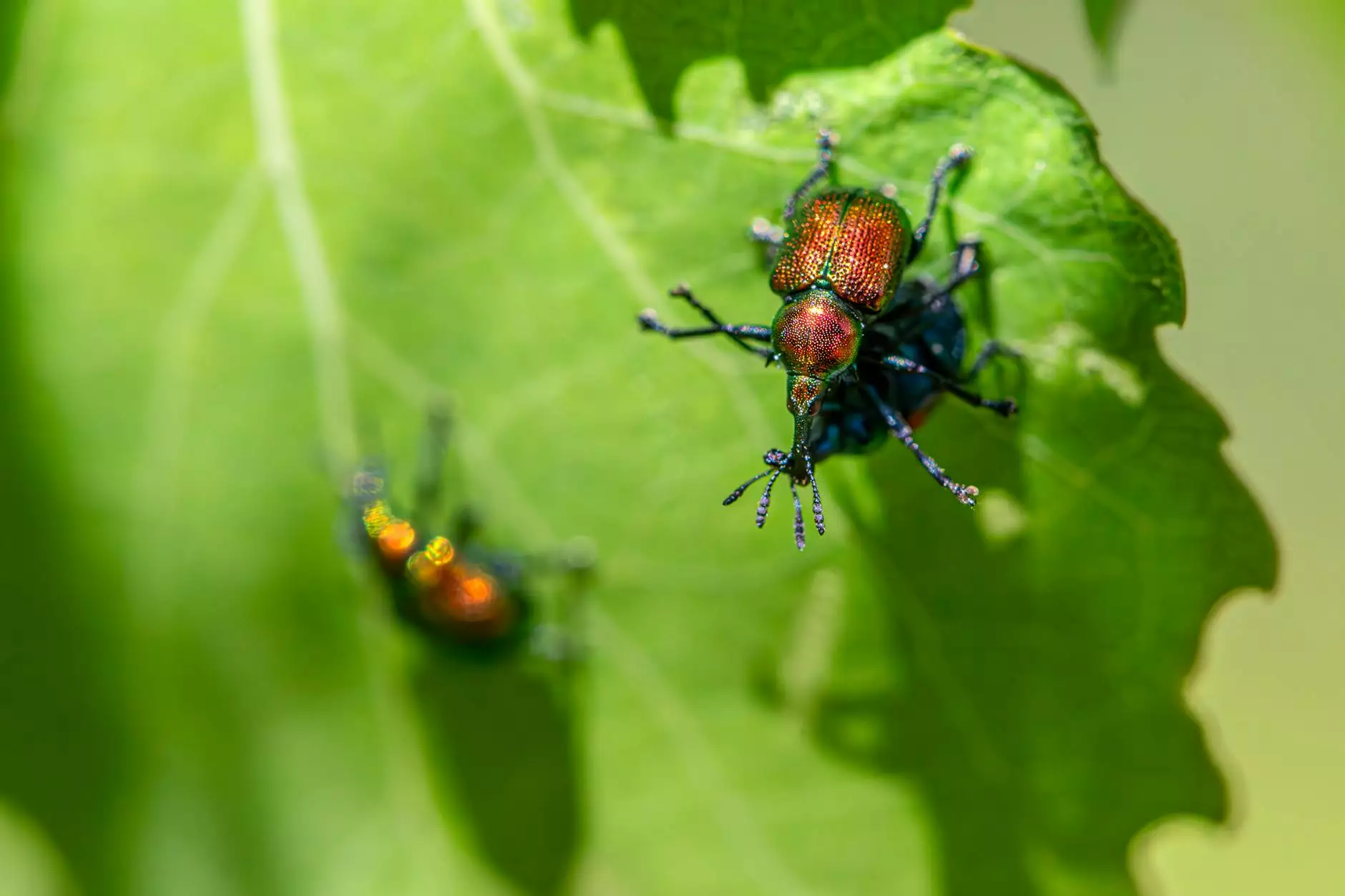
In the world of agriculture, grain storage is crucial for ensuring that farmers can preserve their harvests for future use. However, it also presents unique challenges, particularly from pests like the granary weevil (Sitophilus granarius). These small insects can wreak havoc on stored grains, leading to substantial losses if not managed properly. In this article, we will explore comprehensive strategies for granary weevil control that can help farmers protect their investments.
Understanding the Granary Weevil
Before implementing any control measures, it is essential to understand the biology and behavior of the granary weevil.
Life Cycle of the Granary Weevil
The granary weevil goes through four main stages in its life cycle:
- Egg: A female weevil lays eggs inside the grains.
- Lava: The larvae hatch and begin to feed on the grain, causing damage.
- Pupa: After feeding, they pupate within the grain.
- Adult: Finally, the adult emerges, ready to continue the cycle.
Damage Caused by Granary Weevils
The damage caused by granary weevils can be extensive. Not only do they consume the grain, but their presence can lead to:
- Weight loss in stored grains, leading to reduced market value.
- Contamination of grain with frass (insect droppings).
- Increased risk of fungal contamination and mycotoxin production.
Signs of Infestation
Identifying a granary weevil infestation early is key to effective control. Look for:
- Visible insects in or around stored grains.
- Holes in the grain kernels.
- Frass accumulation beneath storage containers.
Prevention Strategies for Granary Weevil Control
Prevention is the first step to controlling granary weevils. Here are several strategies that can help reduce the risk of infestation:
1. Proper Grain Storage Practices
Ensure that all grains are stored in clean, dry, and pest-free containers. Use airtight containers to minimize the introduction of pests.
2. Temperature Control
Granary weevils thrive in warm environments. Keeping the storage area cool and dry can significantly reduce the likelihood of an infestation. The ideal temperature for grain storage is below 60°F (15°C).
3. Regular Inspection
Conduct routine inspections of stored grain. Early detection of problems is crucial for controlling any pest populations. Look for signs of weevils or other pests, and take action immediately if any are found.
Control Measures for Existing Infestations
If you discover an infestation, it’s important to implement control measures promptly:
1. Manual Removal
For smaller infestations, manually removing weevils can be effective. This might involve sifting through grain and picking out visible insects.
2. Insecticidal Treatments
When infestations are larger, chemical treatments may be necessary. Consider:
- Contact insecticides that kill weevils on contact.
- Insect growth regulators, which disrupt the development cycle of the weevils.
3. Heat Treatment
Heating grain to a temperature of 130°F (54°C) for at least 30 minutes can kill all life stages of the granary weevil without affecting the grain itself.
4. Freezing
For smaller amounts of grain, placing it in the freezer for a minimum of 4 days at 0°F (-18°C) can effectively kill weevil larvae and adult weevils.
Innovative Approaches to Granary Weevil Control
As pest control technology evolves, several innovative approaches are gaining traction:
1. Biological Control
Utilizing natural predators or parasites can help regulate weevil populations. Some examples include:
- Parasitoid wasps that target weevils.
- Nematodes that can infect and kill weevil larvae.
2. Essential Oils
Research shows that certain essential oils, such as clove and peppermint oil, exhibit insecticidal properties against granary weevils. These can be a natural alternative to synthetic insecticides.
3. Pheromone Traps
Pheromone traps can help monitor and control weevil populations by attracting them to a sticky surface where they become trapped. This method helps in:
- Assessing the level of infestation in a storage area.
- Reducing the breeding population of weevils.
Integrating Control Measures for Maximum Efficacy
For the best results in granary weevil control, integrate multiple strategies. Each measure has its strengths, and their combined effects provide comprehensive protection against these pests. Document your results and adjust methods as needed based on observed efficacy.
Importance of Professional Assistance
While many farmers can effectively manage granary weevil infestations with the right knowledge, professional pest control services can provide invaluable support. They offer:
- Expert assessments of the severity and scope of the infestation.
- Customized treatment plans based on specific storage conditions and pest pressures.
- Ongoing monitoring and advice on preventative practices.
Conclusion: Your Path to Effective Granary Weevil Control
Granary weevils represent a significant threat to grain storage, but with the right knowledge and strategies, you can successfully manage and control this pest. Employing a combination of prevention and treatment measures, staying vigilant throughout the grain storage season, and seeking professional assistance when necessary will help safeguard your harvests.
For further assistance with granary weevil control and other pest management challenges, visit tsgcinc.com—a reliable source for Farm Equipment Repair and Farming Equipment advice.