Exploring the Intersection of Art and Technology: Artists Use Light Installations
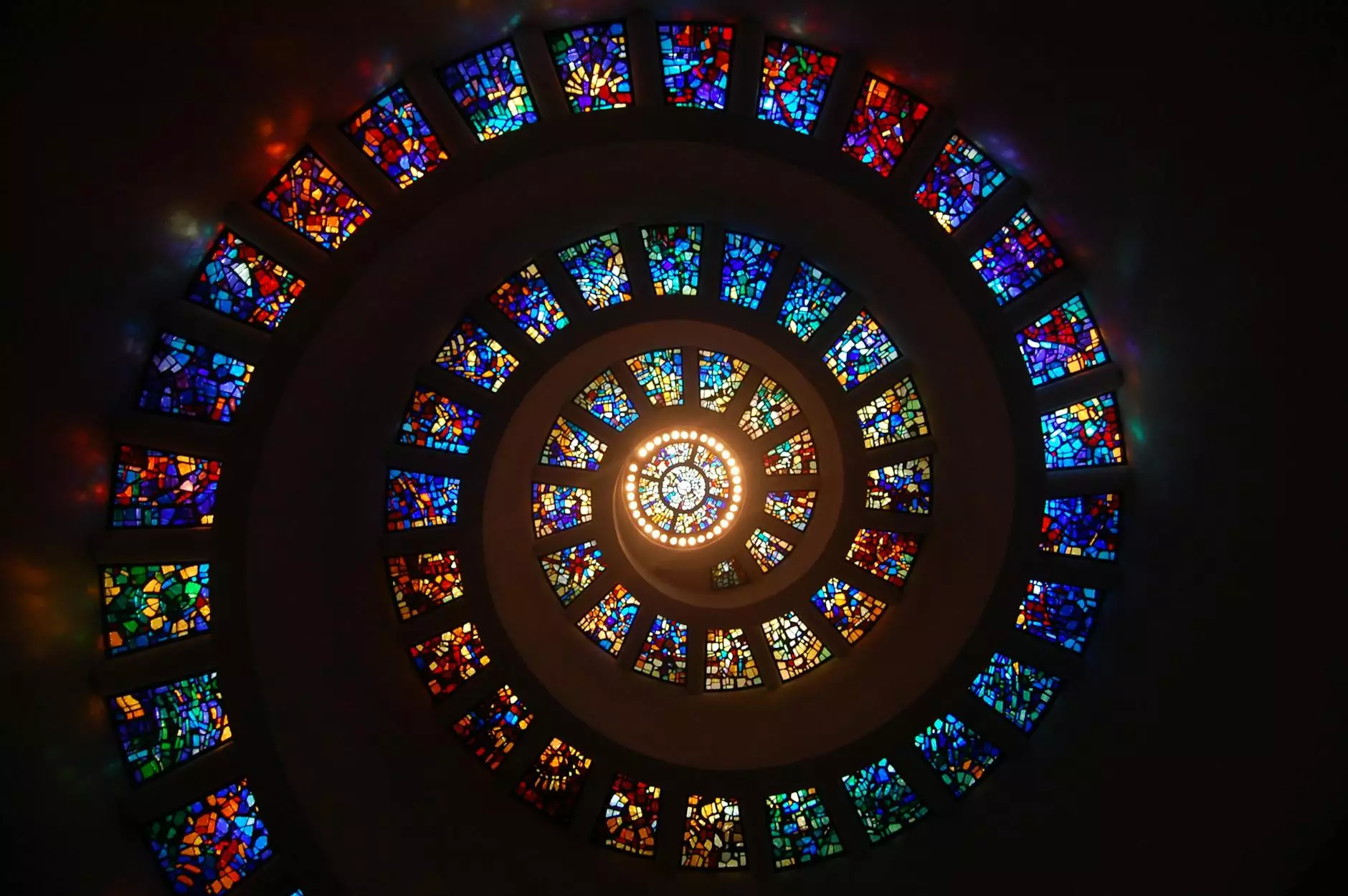
In the vibrant world of art and entertainment, one of the most innovative and captivating medium is the use of light. Artists use light installations to capture attention, evoke emotions, and convey messages that resonate with audiences across various demographics. Light, as a medium, transcends traditional art forms and invites viewers into immersive experiences, opening a dialogue between the artwork and its audience.
The Evolution of Light as an Artistic Medium
Historically, light has played a significant role in art. From the early shadows cast by candlelight in Renaissance paintings to the dramatic use of light in modern photography and cinema, light has been a crucial element in visual expression. In contemporary art, artists have embraced light installations as a standalone medium, allowing them to explore complex themes and ideas.
The Birth of Light Installations
The emergence of light installations as an independent art form can be traced back to the avant-garde movements of the 20th century. Artists began experimenting with electric lights and projection techniques that led to groundbreaking installations in galleries and public spaces. Renowned artists, such as Dan Flavin and James Turrell, paved the way for future generations to explore light as an essential component of their work.
- Dan Flavin: Known for his use of fluorescent lights, Flavin’s works challenge our perceptions of space and light.
- James Turrell: Turrell’s immersive environments invite viewers to experience light in a profound way.
- Olafur Eliasson: Utilizing natural light, Eliasson creates installations that encourage reflection on our connection to the environment.
Why Artists Use Light Installations
The reasons why artists choose to utilize light installations are as varied as the installations themselves. Here are some compelling reasons:
1. Creating Immersive Experiences
One of the most significant aspects of light installations is their ability to create immersive environments. Through the strategic use of light, artists can envelop their audience in a sensory experience that transcends visual enjoyment, sparking emotional and intellectual reactions. The atmosphere created by light installations can transform mundane spaces into extraordinary realms that challenge perceptions of reality.
2. Evoking Emotions and Reactions
Light can evoke a range of emotions, from tranquility and hope to unease and introspection. Through color temperature, intensity, and movement, artists guide viewers through complex emotional landscapes. For instance, a soft, warm light may create a feeling of serenity, while harsh, bright lights can elicit discomfort or tension. Artists use these emotional pathways to provoke thought and engage audiences in a deeper narrative.
3. Interaction and Participation
Many modern light installations invite viewer interaction, breaking down the barriers between the art and the audience. By incorporating technology, such as motion sensors and responsive lighting, artists can create dynamic installations that change based on audience engagement. This interactive relationship enhances the experience, allowing viewers to feel a part of the artwork rather than just passive observers.
Notable Examples of Light Installations
Several artists have made significant contributions to the field of light installations, each bringing unique concepts and technical prowess to their work.
TeamLab
The Japanese art collective TeamLab is renowned for its boundary-pushing light installations. Their immersive environments blend digital art and light, allowing visitors to interact and become part of the artwork. Each installation is a journey through a digitally created world that connects nature, artwork, and technology seamlessly.
Grimanesa Amorós
One of the most compelling contemporary artists, Grimanesa Amorós, masterfully utilizes light installations to explore themes of heritage, identity, and the natural world. Her works, often situated in public spaces, invite viewers to engage with light and form in a way that sparks curiosity and reflection. Through her installations, Amorós creates moments where light transforms space, revealing hidden narratives and connections.
Yayoi Kusama
Another significant artist, Yayoi Kusama, incorporates light into her "Infinity Mirror Rooms." These installations feature reflective surfaces and strategic lighting that create the illusion of endless space, inviting audiences to contemplate their existence and place within it.
How Light Installations Impact Public Spaces
Light installations have not only transformed galleries but also publicly accessible spaces. Public art can enrich urban environments, foster community engagement, and contribute to the cultural vibrancy of a city.
1. Urban Renewal and Beautification
Many cities are now embracing light installations as part of urban renewal efforts. By introducing art into public spaces, cities can enhance the aesthetic appeal of streets and parks, encouraging more foot traffic and thereby boosting local economies. Dazzling light displays can transform a dull area into a vibrant cultural landmark.
2. Community Engagement and Interaction
Public light installations often invite community participation. Events surrounding the installations, such as interactive light shows, allow local residents to engage with the art and with each other, fostering a sense of community and shared experience.
3. Marketing and Tourism
Cities that showcase large-scale light installations often see a significant increase in tourism. Iconic light installations can become landmarks in their own right, attracting visitors who wish to experience the installations firsthand. This influx encourages economic growth and promotes the arts as a vital component of the community's identity.
The Future of Light Installations in Art
As technology advances, the possibilities for light installations continue to expand. Emerging technologies like augmented reality (AR) and virtual reality (VR) open new frontiers for artists. Through these innovations, the future of light installations promises to be even more immersive and interactive.
1. Integration with Augmented Reality
As artists explore AR, future installations may allow viewers to engage digitally through their smartphones or AR glasses. This integration can layer additional meanings and experiences over the physical light installations, creating a more fulfilling interaction between the viewer and the art.
2. Sustainable Practices
With a growing emphasis on sustainability in the art world, artists are increasingly incorporating eco-friendly practices into their light installations. Utilizing energy-efficient light sources and renewable energy options, artists can minimize environmental impact while still creating stunning works of art.
3. Global Collaboration
The global nature of contemporary art promotes collaborations across borders. Artists can work together using digital communication and sharing platforms to create collaborative light installations that draw from a diverse range of cultural influences and artistic perspectives.
Conclusion
Artists use light installations not just to embellish spaces, but to ignite conversations, evoke emotions, and foster connections among viewers. The beauty of light as a medium lies in its incredible versatility and its power to transform environments into reflective landscapes of thought and feeling. As we continue to explore the boundaries of art and technology, light installations will undoubtedly remain at the forefront of contemporary artistic expression.
In a world increasingly filled with digital experiences, light serves as a reminder of our human connection—with each other and our environment. As artists dive deeper into this luminous realm, we eagerly anticipate the breathtaking innovations yet to come.