Comprehensive Guide to a Total Hysterectomy with Bilateral Salpingo-Oophorectomy: What You Need to Know
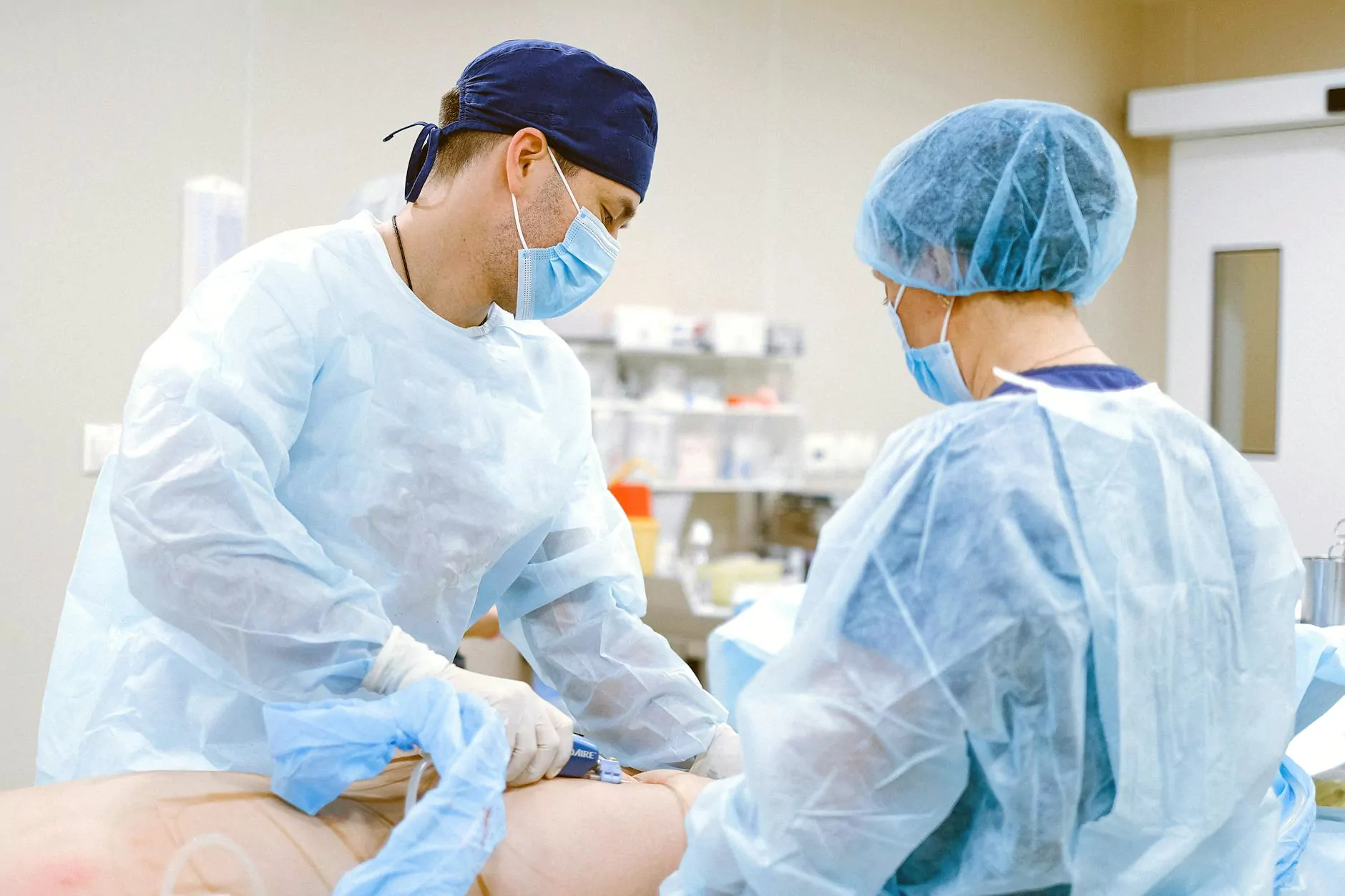
Undergoing a total hysterectomy with bilateral salpingo-oophorectomy is a significant medical procedure that can significantly impact a woman's health and quality of life. Whether for medical necessity or preventive care, understanding this complex surgery, its indications, procedures, risks, and recovery process is essential. At drseckin.com, our team of experienced Obstetricians & Gynecologists specializes in providing personalized, compassionate, and expert care tailored to each patient's unique needs.
What is a Total Hysterectomy with Bilateral Salpingo-Oophorectomy?
A total hysterectomy with bilateral salpingo-oophorectomy is a combined surgical procedure that involves the removal of the uterus (hysterectomy), both fallopian tubes (salpingectomy), and both ovaries (oophorectomy). This comprehensive operation is performed for various reasons, including severe benign conditions, gynecologic cancers, or high genetic risk for ovarian or breast cancer.
Breaking Down the Terms:
- Hysterectomy: Removal of the uterus, which may be done through the abdomen or vagina.
- Bilateral Salpingo-Oophorectomy: Removal of both fallopian tubes and both ovaries.
Indications for a Total Hysterectomy with Bilateral Salpingo-Oophorectomy
This surgery is indicated in various medical scenarios, including:
- Gynecologic cancers, such as ovarian, uterine, or cervical cancer.
- Endometriosis, especially when it causes severe pain and does not respond to conservative treatments.
- Uterine fibroids, particularly when they grow large and cause symptoms like bleeding or pressure.
- Atypical or precancerous uterine or ovarian conditions, necessitating complete removal to prevent progression.
- Chronic pelvic pain, that is linked to pathologies requiring surgical intervention.
- High genetic risk, such as BRCA mutation carriers opting for preventive surgery to reduce ovarian and breast cancer risk.
The Surgical Procedure: Step-by-Step Overview
Preoperative Preparation
Before surgery, thorough evaluation includes imaging scans, blood tests, and consultations to assess overall health. Patients are typically advised to fast and may receive prophylactic antibiotics to reduce infection risk.
Types of Surgical Approaches
Surgery can be performed through different methods, each tailored to patient needs and medical indications:
- Abdominal (laparotomy): Open incision in the lower abdomen, ideal for complex cases or large tumors.
- Vaginal hysterectomy with bilateral salpingo-oophorectomy: Removal via the vaginal route, suitable for benign conditions with certain limitations.
- Laparoscopic or robotic-assisted surgery: Minimally invasive approach utilizing small incisions and specialized instruments for faster recovery and reduced scarring.
Key Surgical Steps
- The surgeon makes the necessary incisions based on the chosen approach.
- The pelvic cavity is carefully inspected, and tissue planes are identified.
- The uterine arteries are ligated to control blood supply.
- The uterus is detached from surrounding structures, ensuring the preservation of adjacent organs.
- Both fallopian tubes and ovaries are identified, ligated, and removed.
- Hemostasis is secured, and the surgical site is inspected thoroughly.
- The incision is closed in layers, with attention to minimizing postoperative discomfort and scarring.
Benefits of Undergoing a Total Hysterectomy with Bilateral Salpingo-Oophorectomy
This procedure offers multiple benefits, especially when indicated for specific medical conditions:
- Definitive treatment for certain cancers and severe benign diseases
- Reduced risk of ovarian and uterine cancers in high-risk individuals
- Relief from painful symptoms caused by fibroids or endometriosis
- Elimination of abnormal bleeding in cases of severe hemorrhage or fibroids
- Peace of mind for those with significant genetic predispositions
Risks and Considerations
While it's a highly effective surgery, like all medical procedures, it carries potential risks, including:
- Bleeding and infection at the surgical site
- Injury to surrounding organs, such as the bladder or intestines
- Hormonal changes, especially when ovaries are removed, leading to menopausal symptoms
- Adhesion formation which might cause pelvic pain in some cases
- Potential impact on bone density post-menopause if ovaries are removed at a young age
Understanding the Impact of Ovarian Removal: Menopause and Hormonal Changes
Removal of the ovaries (oophorectomy) induces a sudden decrease in estrogen and progesterone, hormones that regulate many bodily functions. This abrupt change can result in menopausal symptoms such as hot flashes, night sweats, vaginal dryness, and mood swings. In women over 45, this transition often aligns with natural menopause, but in younger women, hormone replacement therapy (HRT) might be recommended to mitigate side effects.
Postoperative Care and Recovery
Immediate Postoperative Period
Recovery varies based on the surgical approach, but generally, patients can expect to stay in the hospital from 1 to 3 days. Pain management, wound care, and early mobilization are crucial.
Steps Towards Full Recovery
- Rest and avoid strenuous activities for at least 4-6 weeks.
- Follow guidelines for wound care to prevent infections.
- Gradually resume normal activities as advised by your healthcare provider.
- Attend follow-up appointments for surgical evaluation and ongoing support.
Long-term Outlook and Quality of Life
After a total hysterectomy with bilateral salpingo-oophorectomy, many women experience significant relief from symptoms related to their original condition. It can lead to improved quality of life, especially when pain, bleeding, or cancer risk is mitigated.
However, women should be aware of potential hormonal changes, especially after ovary removal, and discuss with their doctor about possible HRT options or lifestyle adjustments to support their health.
Why Choose Dr. Seckin for Your Gynecologic Surgical Needs?
At drseckin.com, we are committed to providing specialized care in Obstetrics and Gynecology. Our expert team has extensive experience performing complex procedures such as the total hysterectomy with bilateral salpingo-oophorectomy. Our approach emphasizes personalized treatment plans, minimally invasive techniques, and comprehensive patient education to ensure optimal outcomes and satisfaction.
From preoperative assessments to postoperative support, we prioritize your health, safety, and comfort. If you're considering this procedure or need more information, contact us today for an expert consultation.
Summary: Key Takeaways About a Total Hysterectomy with Bilateral Salpingo-Oophorectomy
- This is a major surgical procedure that removes the uterus, fallopian tubes, and ovaries.
- Performed for a variety of benign and malignant conditions.
- Multiple surgical approaches exist, tailored to patient needs and the complexity of the case.
- Understanding risks, hormonal impacts, and recovery processes is essential for informed decision-making.
- Expert surgeons at Dr. Seckin are dedicated to ensuring safe procedures and personalized care.
For those facing the prospect of a total hysterectomy with bilateral salpingo-oophorectomy, informed choices and trusted medical support are crucial. Our team is here to guide you through every step, ensuring you receive the highest standard of care tailored specifically to your health and wellbeing.
a total hysterectomy with bilateral salpingo oophorectomy