Unlocking Success with Simulated Forex Trading: A Comprehensive Guide to Business Growth and Innovation

In today's dynamic financial landscape, businesses are constantly seeking innovative ways to bolster their growth, refine their services, and stay ahead of the competitive curve. Among the myriad of tools available, simulated forex trading stands out as a powerful and versatile platform that enables companies to experiment, learn, and innovate without real-world risk. This in-depth guide explores the profound impact of simulated forex trading on various aspects of modern business, including IT services, financial advising, and overall strategic development. By understanding and utilizing this technology, enterprises can unlock new avenues for success and sustainable growth.
The Strategic Importance of Simulated Forex Trading in Modern Business
In the realm of finance and IT, simulated forex trading offers an invaluable environment to develop and test strategies, enhance expertise, and gain actionable insights. Unlike live trading, simulation provides a risk-free platform where businesses can fine-tune their approaches, educate financial advisors, and optimize their IT infrastructure for handling complex trading operations.
What is Simulated Forex Trading?
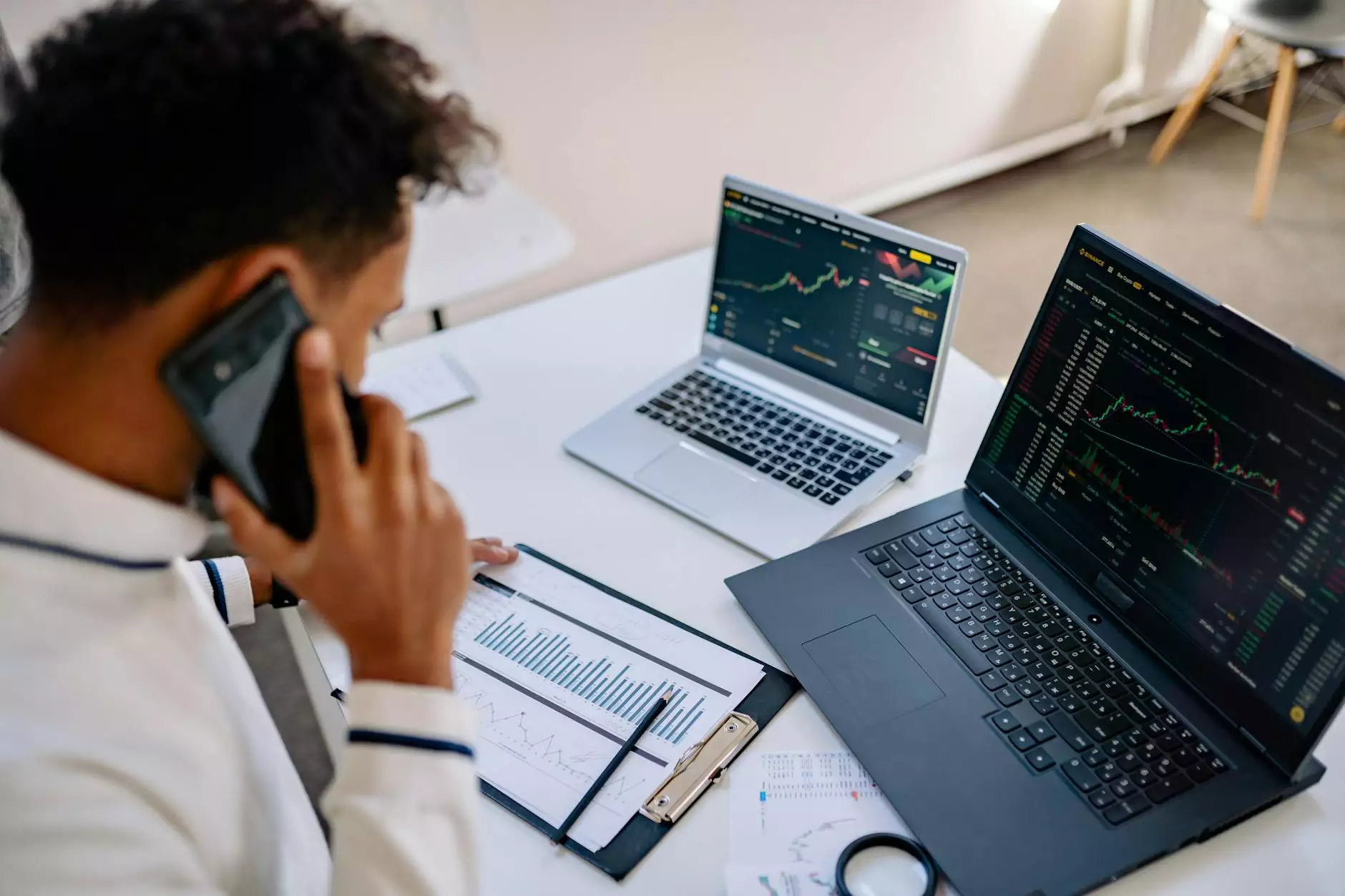
Simulated forex trading, also known as paper trading, involves practice trading on a virtual platform with pretend money but real market data. It mirrors real forex markets, allowing users to execute trades, analyze market conditions, and develop trading strategies without risking actual capital. This simulation environment is essential for businesses aiming to train personnel, test algorithms, and strategize for future real trades.
How Simulated Forex Trading Transforms Business Operations
1. Enhancing Financial Services and Advising
Financial institutions and advisories utilize simulated forex trading to train their professionals, allowing them to understand market mechanics, interpret data, and develop robust investment strategies. This training leads to more competent financial advice, improved client satisfaction, and an overall enhancement of service quality. Furthermore, firms can utilize simulation data to refine their risk management frameworks and develop customized investment solutions tailored to clients’ needs.
2. Accelerating IT Development and Support
IT service providers and companies engaged in developing trading platforms benefit immensely from simulation environments. Such platforms allow for rigorous testing of software, algorithms, and system resilience under varying load conditions. This optimizes the performance of trading tools and ensures robust security protocols, which are critical in safeguarding sensitive financial data and maintaining system integrity in real-market scenarios.
3. Driving Innovation and Strategic Business Growth
Innovative companies leverage simulated forex trading as a laboratory for experimentation. By trialing new models, automation processes, and analytical techniques, businesses can identify winning strategies that translate into real-world deployment. This nurturing of innovation fosters a forward-thinking culture, helping firms seize emerging opportunities and stay competitive in evolving markets.
Key Benefits of Implementing Simulated Forex Trading in Business
- Risk-Free Learning Environment: Provides a safe space for training staff and testing strategies without financial loss.
- Skill Development: Enhances traders’ and advisors’ ability to analyze markets and execute informed decisions.
- Testing and Optimization: Enables refinement of algorithms, strategies, and platform functionalities before deployment.
- Cost Efficiency: Reduces expenses associated with live trading errors and system downtimes during initial phases.
- Data-Driven Insights: Generates valuable data to inform future trading and business decisions.
- Competitive Edge: Empowers firms to innovate faster, adapt to market shifts, and outperform competitors.
Integrating Simulated Forex Trading into Business Strategy
To maximize the benefits, businesses should incorporate simulated forex trading into their broader strategic framework. Here are essential steps for successful integration:
- Define Clear Objectives: Determine whether the focus is on training, testing algorithms, or strategic development.
- Select Robust Platforms: Invest in high-quality simulation software that offers real-time data, customizable scenarios, and comprehensive analytics.
- Develop Comprehensive Training Modules: Create curriculums that include practical exercises, risk management, and scenario analysis.
- Incorporate Data Analytics: Use simulation data to refine decision-making processes and improve system performance.
- Continual Monitoring and Improvement: Regularly assess simulation outcomes and update models and strategies accordingly.
Future Trends in Simulated Forex Trading and Business Innovation
Looking ahead, several exciting trends are poised to further embed simulated forex trading into business operations:
- Artificial Intelligence Integration: AI-driven simulations will offer more realistic and adaptive trading environments, enhancing predictive analytics and decision-making.
- Enhanced Educational Platforms: Virtual reality and gamification will make training more engaging, effective, and accessible globally.
- Blockchain and Security: Future simulation platforms will incorporate blockchain technology for transparent and tamper-proof data handling.
- Cross-Industry Applications: Beyond finance, sectors like supply chain logistics, energy trading, and even healthcare can leverage simulation strategies for complex decision-making scenarios.
Why BullRush is the Partner You Need for Business Success
As a leader in providing innovative IT services and expert financial advising, BullRush recognizes the transformative power of simulated forex trading. Our comprehensive solutions are designed to help your business:
- Implement cutting-edge simulation platforms tailored to your specific industry needs.
- Train your financial advisors and IT personnel using realistic, effective virtual environments.
- Develop custom algorithms and automation tools for optimized trading and decision-making.
- Enhance cybersecurity measures to safeguard critical financial and operational data.
- Support ongoing research and innovation initiatives to keep your enterprise at the forefront of market trends.
Conclusion: Embrace the Future of Business with Simulated Forex Trading
In conclusion, simulated forex trading is not merely a training tool; it is an essential element of modern strategic development for businesses operating in competitive markets. By fostering innovation, improving skills, and refining systems, simulation empowers organizations to make smarter decisions, mitigate risks, and seize new opportunities for growth. Companies partnering with industry experts like BullRush are better positioned to harness the full potential of this technology, ensuring a resilient, adaptive, and forward-looking business model.
As the market continues to evolve, integrating simulated forex trading into your enterprise's core operations will be paramount to staying ahead of the curve. Invest in the right tools, cultivate a culture of continuous learning, and leverage data-driven insights to unlock unprecedented success.